Thailand’s Vehicle Sales Surge 9% in October
New vehicle sales in Thailand rose by 9% year-on-year in October 2026, reaching 51,127 units, according to the Federation of Thai Industries (FTI). This follows a 25% increase in October 2025, when sales hit 47,032 units.
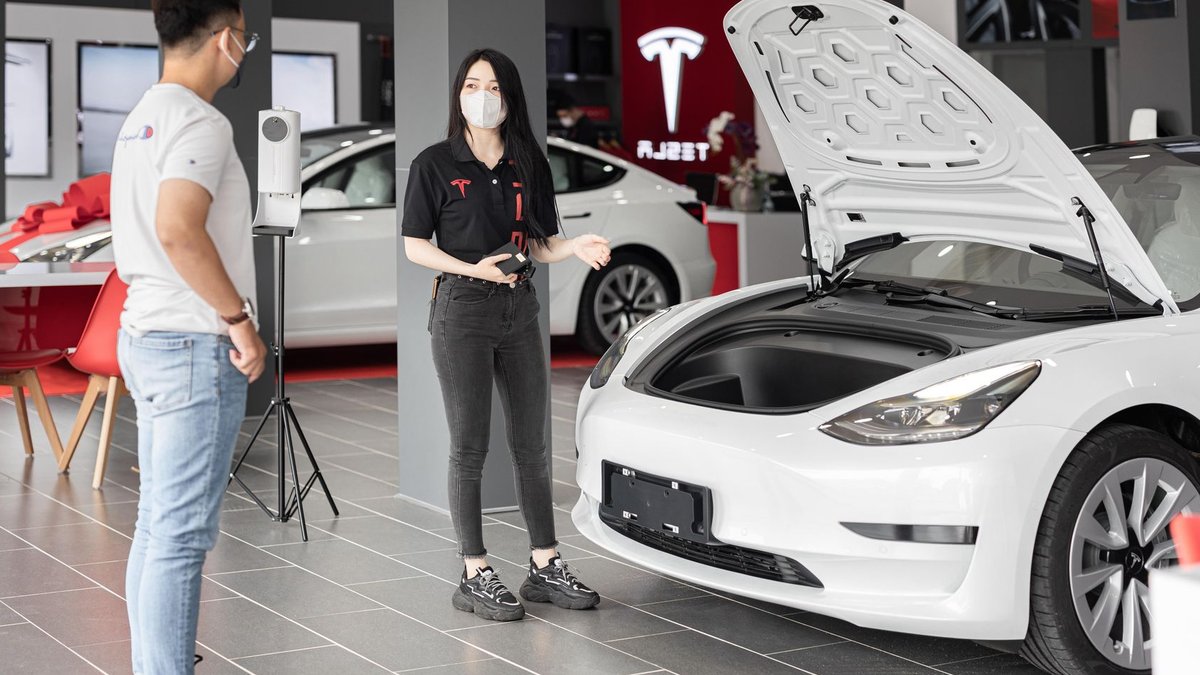
Strong demand for battery electric vehicles (BEVs) primarily drove the market’s growth, with sales surging by 94% to 16,460 units in October. Conversely, internal combustion engine (ICE) pickup truck sales continued to decline, falling by 11% to 8,930 units.
Despite heavy monsoonal rains causing widespread flooding in key areas, including parts of Bangkok, Thailand’s domestic vehicle market maintained its growth. This resilience aligns with the country’s economic expansion, which accelerated to 2.9% year-on-year in the third quarter of 2026, up from 2.4% in the second quarter, fueled by strong exports, private consumption, and investment.
In the first ten months of 2026, Thailand’s domestic vehicle market grew by 16%, reaching 572,352 units, compared to 495,001 units in the same period last year. BEV sales significantly contributed to this growth, rising by 96% to 178,730 units year-to-date, with many units imported as completely built-up (CBU) vehicles from China.
Buyers rushing to purchase BEVs before an excise tax hike on imported models takes effect in January 2027 partly drove the surge in BEV sales. The tax will increase from 10% to 35%, a measure announced by the Thai government to encourage local production and supply chain development.
Vehicle production faced challenges, however, dropping by 35% to 87,938 units in October due to flood-related disruptions. This led to an overall 4% decline in output to 1,016,796 units in the first ten months of the year, while exports fell by 8% to 709,512 units.
GlobalData forecasts light vehicle sales to increase by 10% to 679,000 units in 2026, following a 9% rise to 618,000 units in 2025. Sales are expected to grow further by 5% to 710,000 units in 2027.
Thailand’s market performance reflects regional trends, where economic growth and shifting consumer preferences drive changes in vehicle sales. As BEVs gain popularity, traditional ICE vehicles, especially pickup trucks, face declining demand. Government policies and changing market conditions will likely continue influencing production and sales in the coming years.


