VW Confirms Pickup for US Market
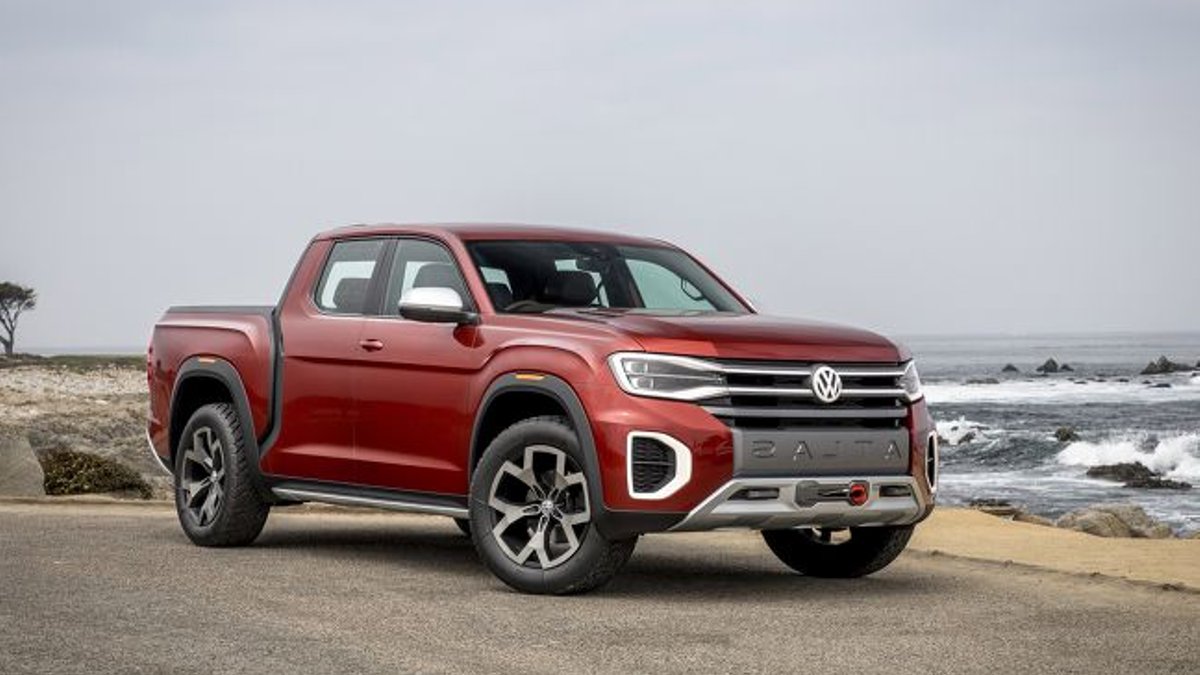
Volkswagen confirmed plans for a pickup built in the United States, targeting a launch before 2030. The concept traces back to a 2018 sketch that hinted at a larger U.S. truck, but the automaker never progressed beyond early drawings until now.
New leadership steers U.S. strategy
Management at the German automaker is shifting as Marco Schubert arrives from Audi to replace the departing Kjell Gruner. The change is part of a broader overhaul ordered by chief executive Oliver Blume, who wants to tighten costs and answer intensified competition. Schubert is expected to push the brand toward higher‑margin segments, a direction echoed by Thomas Schaefer, head of the Volkswagen brand. He sees growth potential in midsize and full‑size trucks as well as large SUVs.
Potential partners and production site
A source says Ford is a plausible collaborator because the two companies already share engineering work: Ford uses the MEB platform for its electric Explorer, while the Amarok shares underpinnings with the Ranger. The existing overlap makes a co‑developed truck realistic, though no formal agreement has been announced.
Related: Car Owners Seek Trade-In Value Estimates
Manufacturing is likely to shift to Chattanooga, Tennessee, where the firm’s U.S. plant currently sits. That facility stopped building the electric ID.4 earlier this year after incentive changes, leaving space that could be repurposed for a domestic truck. Local production would align with shifting tariff rules and state‑level subsidies that favor U.S.-made vehicles.
The timing feels experimental.
From a consumer standpoint, a domestically built German‑engineered truck could add competition to a market dominated by a few legacy players. If the vehicle reaches the showroom floor before the decade ends, shoppers may benefit from more choices and potentially lower prices, assuming the partnership strategy keeps development costs in check.
Related: BYD Atto 3 gets key upgrades
Ford and General Motors both lifted their 2026 profit outlooks, highlighting the continued strength of combustion trucks and SUVs in the American market. By contrast, Volkswagen holds roughly 4 % of U.S. sales and has limited exposure to that lucrative revenue stream.
The exact powertrain for the upcoming model has not been decided. Whether it will run on a conventional V6, a hybrid system, or a fully electric setup will depend on the eventual partnership and platform choice. Analysts note that a hybrid or electric option could help the vehicle meet tightening emissions rules.
According to the source, a decision on the development approach is expected in the coming months. The timeline points to a market debut before the end of the decade, with production capacity at the Tennessee plant slated to be ready shortly after the design is finalized.


