Ford adds Chinese made vans and SUVs
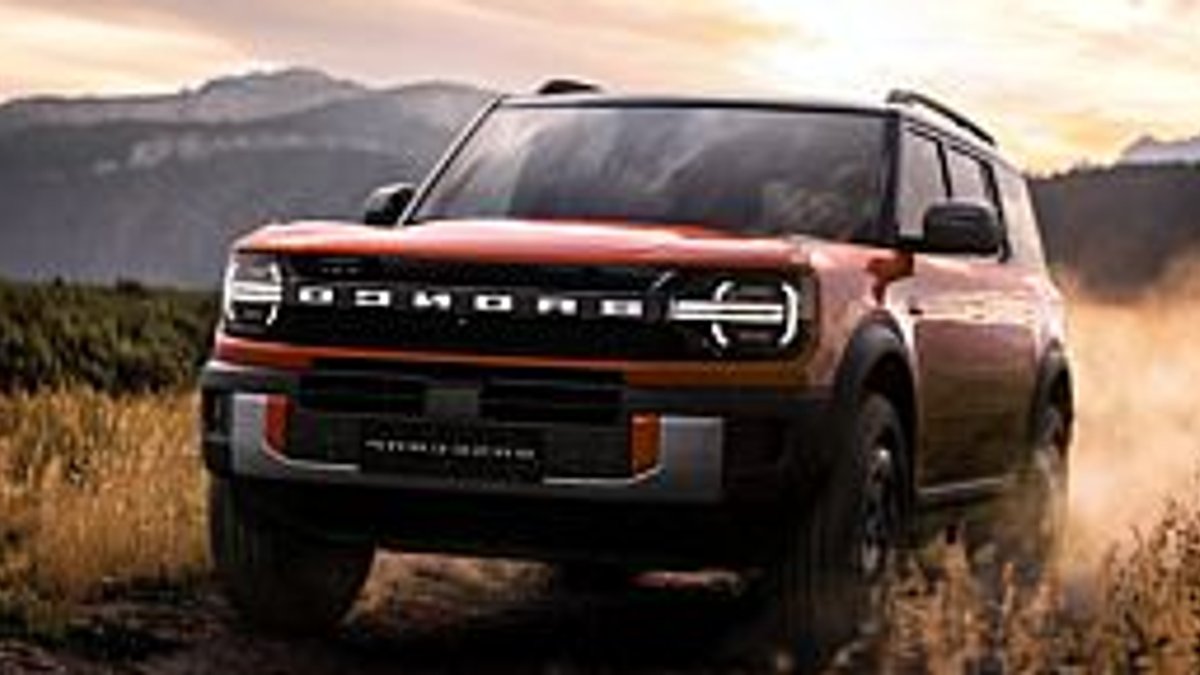
Ford Australia is set to introduce two Chinese-made models to its local line-up, the Transit City battery electric van and the Bronco Basecamp range-extender SUV, in a bid to compete with a growing number of Chinese-made commercial vehicles and SUVs. The models, manufactured by Jiangling Motors Corporation (JMC) in Nanchang, China, will give Ford a foothold in segments it cannot otherwise compete in.
According to Ford Australia and New Zealand president and CEO Fadi Mawal, the company must move quickly to broaden its product offering as rising electrification, tougher emissions standards, and an influx of new competitors reshape the Australian market. “We’re up to about 60, 65 brands in Australia already, likely to be 70 brands soon and probably early next year,” he said.
Expanding Chinese Partnerships
Ford owns approximately 32 per cent of JMC and has worked with the Nanchang-based vehicle maker for three decades, initially in commercial vehicles before broadening the partnership into passenger and SUV products. More recently, Ford and JMC have moved to use their Chinese engineering and manufacturing operations as an export base, allowing Ford to access competitively priced electrified products without developing them independently for comparatively small markets such as Australia.
Mr Mawal said Ford Australia’s ability to source models internationally will become increasingly important as it attempts to broaden a portfolio presently dominated by Ranger and Everest. “As a global company, we can bring in the best products from around the world to look after our Aussie and Kiwi customers,” he said, while stressing that Australian engineering would continue to lead global Ranger and Everest development.
Ford Australia has now made that sourcing strategy more explicit, saying its global footprint includes “new markets such as China” as it seeks to bring customers greater choice and value at speed. The company is equally keen to differentiate itself from newer importers on the strength of its established dealer and aftersales network.
Targeting Value Players
Transit City Electric Van
The first tangible example of this strategy is Transit City, a one tonne (payload) battery electric van that enters production through JMC in Nanchang and will arrive in Australian dealerships from November. Ford is making no secret of who it is targeting, with Ford Australia marketing director describing Transit City as a “targeted business tool engineered to win in the city”, specifically designed to “compete head-on with value entrants flooding this segment”.
Transit City combines a lithium iron phosphate battery with a claimed driving range of up to 254km combined, increasing to as much as 380km in urban-only operation. DC charging from 10 to 80 per cent is claimed to take 33 minutes, while a 10-minute fast-charge can add approximately 68km of driving range. The model offers up to 6.4 cubic metres of cargo space and a maximum payload of 1085kg, with equipment including adaptive cruise control, front and rear parking sensors, a reversing camera, keyless start, and air-conditioning.
Related Post: iCaur to launch V25 in Australia
Ford Australia has confirmed an everyday recommended driveaway price of $50,000, positioning Transit City against both diesel-powered vans and increasingly affordable Chinese electric commercials. “Here’s the number that changes everything,” said Ford Australia marketing director. “Transit City Van has an all-day, every-day recommended driveaway price of $50,000. We’ve removed the single biggest barrier standing between businesses and full electrification.”
Customer deliveries begin in November, and the model gives Ford an entry point below Transit Custom at a time when price-conscious fleet and trade buyers are being courted heavily by Chinese light-commercial brands. Ford Australia general manager of product marketing said Transit City had been deliberately engineered around actual Australian commercial-vehicle use rather than simply maximising battery size and theoretical range.
Bronco Basecamp SUV Launch
The second and potentially more important Chinese-made arrival is Bronco Basecamp, confirmed this week for Australian introduction during the second half of 2027. Known in China as part of the Bronco New Energy family, the Basecamp is an entirely different proposition from the North American Bronco many Australians have long requested. Rather than the ladder-frame T6 architecture shared with Ranger and Everest, it is a five-seat monocoque SUV developed with JMC specifically around electrified powertrains.
Ford Australia will take the extended-range electric vehicle version, which combines battery-electric propulsion with a petrol engine used to generate electricity when required. Ford describes the system as its first “super hybrid extended range” electrified powertrain. Local specifications are still being finalised, but Ford is targeting a combined driving range of between 800 and 900km.
For customers, that means the best of both worlds – electric power for the everyday and a petrol engine to charge the battery when the road keeps on going. Like Transit City, Bronco Basecamp is “developed in collaboration with Jiangling Motors Corporation”, which Ford says demonstrates another way it can leverage its global footprint. The model additionally offers Pro Power Onboard (V2L) to operate camping equipment and appliances, while selected variants feature a pop-up electric roof, fully flat-folding seats with an available mattress, integrated lighting and charging points, and a tailgate-mounted “wild kitchen”.
Ford Australia Future Plans
Ford Australia has confirmed that the Bronco Basecamp will arrive in Australian dealerships in the second half of 2027, with pricing and specifications to be confirmed closer to launch. Ford Australia is aiming to have over 90 per cent of its volume sold as either all-new or significantly refreshed by the end of 2030, with a focus on providing customers with greater choice and value without compromising on capability or lifestyle. The Transit City will go on sale in November, with a recommended driveaway price of $50,000.
Related Stories
 Street Tuner Reports
Aston Martin and Brough Superior unveil ultra-exclusive AMB 002 hyperbike
 Street Tuner Reports
Toyota Expands Local Battery Production at Karawang Plant
 Street Tuner Reports
Honda Africa Twin gets new colors, keeps rugged appeal
 Street Tuner Reports