Sedans Make a Comeback with New Models
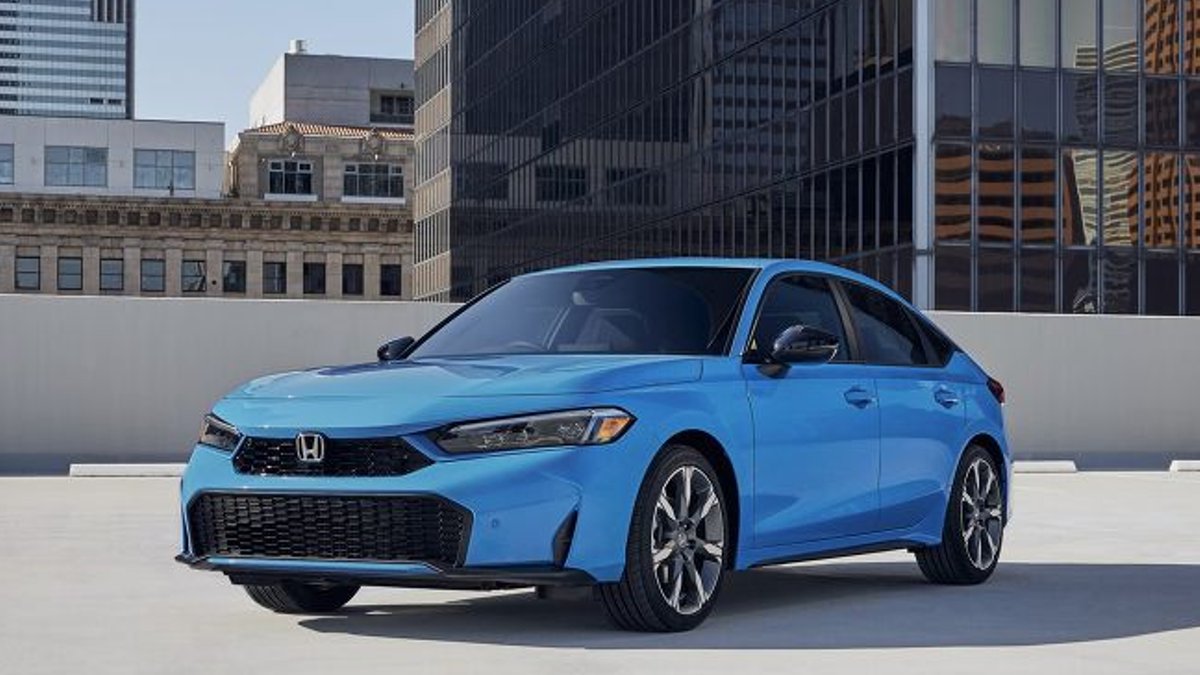
For the past decade, automotive industry analysts have been drafting the sedan’s obituary. As Detroit automakers pulled the plug on traditional four-door passenger cars to double down on high-margin crossover, SUV, and truck lineups, the conventional wisdom became gospel: American buyers only want ride height, boxy proportions, and command-of-the-road driving positions.
Honda’s July sales results tell a different story. In a market where consumers are stretched by high interest rates, increased transaction prices, and persistent inflation, Honda posted a 12.8% year-over-year overall sales gain for July, reaching 136,549 units—its best July performance in seven years.
The primary engine driving that momentum was traditional passenger cars. Honda’s car portfolio surged by 35.7% in July, racking up 43,604 units.
The Civic enjoyed its strongest July since 2021 with 22,995 sales, while the midsize Accord surged past the 20,000-unit threshold in a single month for the first time since 2019. When built with purpose, refined engineering, and smart packaging, traditional cars are thriving.
Related: GWM unveils new 3.0L diesel engine in Australia
The surge in sedan sales reflects broader economic pressures. The ongoing auto affordability crisis has pushed the average new vehicle transaction price near $50,000, driven largely by consumer preference for heavy, option-laden crossovers and trucks.
For budget-conscious buyers facing increased monthly financing costs, sedans offer a sensible alternative. Pound for pound, a midsize sedan consistently undercuts a comparable compact or midsize crossover on price while delivering superior fuel economy, cheaper tire replacements, and lower total cost of ownership.
Honda’s results illustrate this balance. By offering approachable price points across the Civic and Accord lineups alongside class-leading fuel efficiency, Honda is providing a practical path forward for shoppers priced out of the modern SUV market.
Underpinning Honda’s passenger car turnaround is its hybrid powertrain strategy. Rather than treating hybrids as slow, clinical eco-commuters, Honda tuned its current hybrid setup to offer responsive low-end torque and efficient performance.
Related: Lamborghini unveils million-dollar Revuelto SV
In July, American Honda set an all-time record for hybrid volume, moving 36,609 hybrid units. Hybrids now account for 41% of all Accord sales and 32% of Civic sales. Combined with the CR-V Hybrid, Honda’s electrified lineup is proving that consumers don’t need to be forced into full-EV adoption to achieve major gains in operational efficiency.
Honda is preparing to expand the Accord lineup for 2029 with a lifted, hybrid-powered Accord crossover aimed directly at the Subaru Outback.
Honda’s July sales performance proves that rumors of the passenger car’s demise have been exaggerated. When automakers offer fuel-efficient, stylish, and accessible sedans, buyers respond in record numbers. By pairing its traditional Civic and Accord sedans with hybrid technology today and preparing versatile variants like a lifted Accord hybrid for tomorrow, Honda is demonstrating how classic passenger cars can adapt, survive, and win.
Sedans are not going away.


