Shell and BMW reveal Le Mans livery secrets
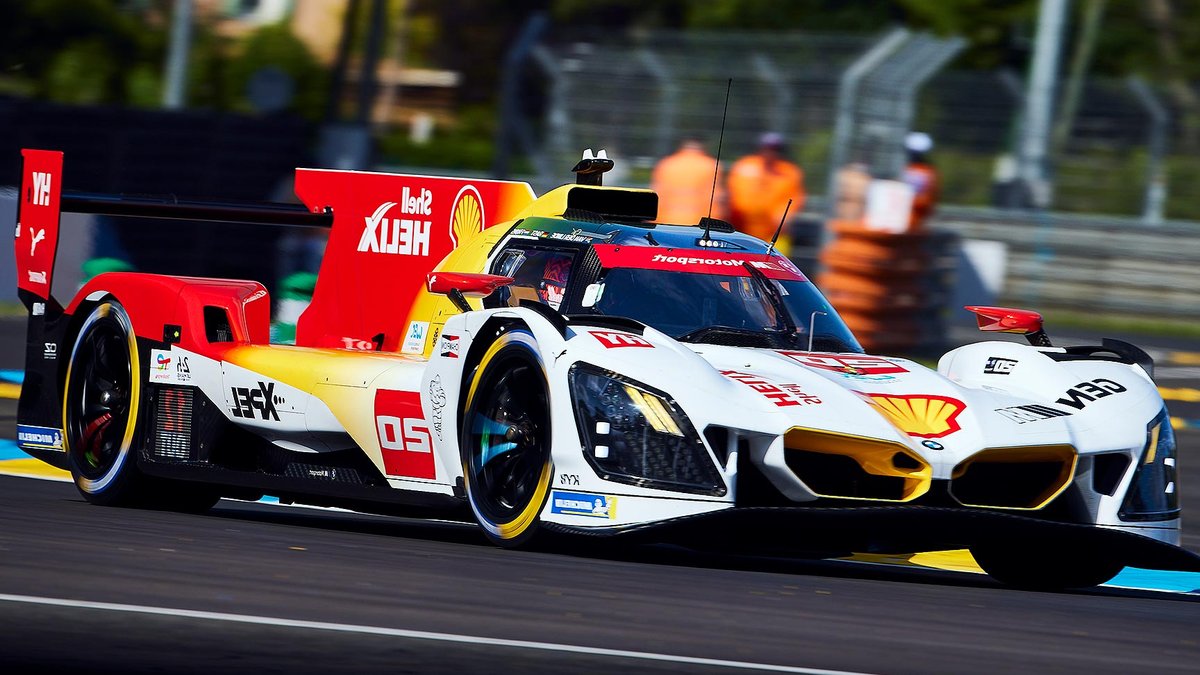
Shell and BMW M Motorsport unveiled a striking livery for the #20 car at the 24 Hours of Le Mans this year. The vehicle, running on a distinctive new design, secured a popular pole position and eventually finished second in the race. During the event, the companies renewed their partnership, setting a clear goal to win the event in 2027.
The visual impact of the car was matched by its technical substance. The team is developing race cars that run on what’s known as re-refined base oil, or RRBO. This is essentially fresh high-performance oil made from used oil, following a circular economy approach. Sustainable fuel is already used in the 24 Hours of Le Mans, and the engine oil aims to close the loop on carbon emissions.
Engine oil recycling has made it to the highest level of motorsport, but achieving such sustainability doesn’t come easily. A 24-hour race is one of motorsport’s ultimate tests of reliability, particularly now that competition is so tight and drivers genuinely sprint through each stint. To make re-refined base oil, Shell takes used motor oil and reprocesses it in a similar way to virgin oil. With its processing magic and trick additives, the aim is to create an oil no different to a traditional lubricant.
Related: CarGurus Launches AI Car Shopping Tool
Engineers then work with BMW M to fine-tune the oil further so it works perfectly with the V8 lapping the world’s racing circuits, including Le Mans. According to Jason Wong, global EVP of Shell Lubricants, sustainability is an objective, but performance can’t suffer as a result. That is why Shell is so keen to prove its credentials on the racetrack.
We move across to an area normally out of bounds during a race weekend – Shell’s on-site laboratory. Here, engine oil samples taken directly from the racing cars are constantly analysed for any early warning signs of problems. The engineers can detect any trace metals in the oil that shouldn’t be there, and pinpoint them back to the individual engine internals they may come from.
It’s a window into the science of motorsport. Engineers hidden in trucks behind the pit garages study computer screens for the earliest signs of issues. Of course, the aim is for there to be none, and so it proved in Le Mans, with the #20 car racing right to the finish line and its podium place. This provided proof that the re-refined engine oil can perform exactly the same as non-recycled oil.
Related: Bentley opens Crewe visitor centre for tours
That data is used to make the oil for the next race even better. There’s crossover to the road car division too, says Wong. Motorsport is not split off from the rest of Shell’s lubricant activities, meaning road car products benefit from the same learnings. “I call it an ecosystem, rather than separate activities,” says Wong. “Racing is a testbed for the future products we are developing… working with BMW M gives us more confidence to launch these innovative, sustainable new products.”
Extending the partnership, which has already run for more than a decade, heralds a shift in focus. A new era is emerging, where speed and sustainability are no longer mutually exclusive. With the successful deployment of their new engine oil formulated with re-refined base oils, the Le Mans weekend marks an important milestone for the two companies.
Ultimately, Shell’s re-refined base oil products are set to expand to its road car offerings in time. That is the real secret behind the livery – helping create a more sustainable engine oil reliant on circular economy principles, rather than extracting fresh oil out of the ground. It is another example of how technology transfers from the racetrack to the road.


