Driving with Headphones May Violate State Laws
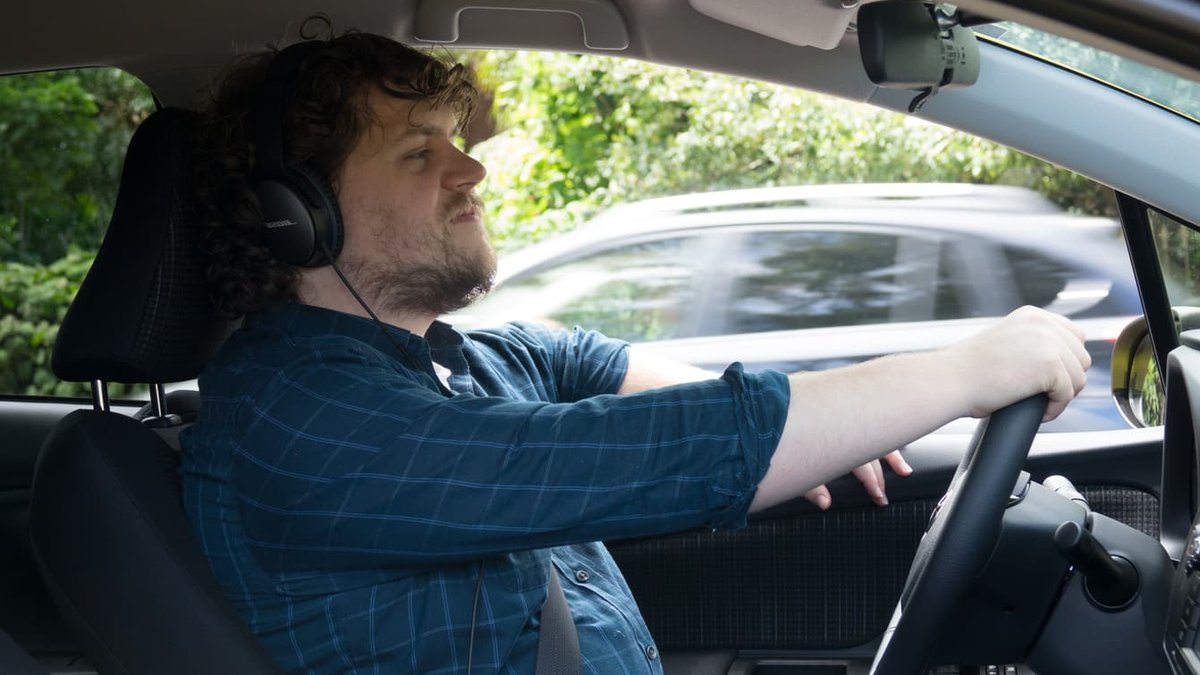
Drivers often wonder if the law treats headphones, earphones or AirPods the same as other mobile‑phone distractions while driving; the short answer is that no specific statute makes it illegal to wear such devices, but police can issue fines if they determine the driver lacks full control of the vehicle.
What the law actually says
Across Australian states, legislation focuses on preventing drivers from holding or touching a mobile phone. The bans cover making calls, texting, and using navigation apps without a hands‑free setup. However, the statutes do not explicitly mention headphones. Instead, enforcement relies on police discretion: an officer may cite a driver who appears unable to respond to traffic cues because of reduced hearing.
For example, a driver using over‑ear noise‑cancelling headphones might miss a horn or emergency siren. In such cases, an officer could argue the driver is not exercising reasonable care, which is a breach of road safety rules. This discretionary power means the risk of a fine depends on how visibly the driver’s attention is affected.
Special rules for learner and provisional drivers
People on learner (L‑plates) or provisional (P‑plates) licences face stricter limits. In New South Wales and other jurisdictions, they are prohibited from using any mobile‑phone function while driving, which includes listening to music through headphones. The restriction applies even if the device is mounted, because the law aims to keep novice drivers fully focused on the road.
Related: BMW X3 named Best Premium SUV Under $130K
Fully licensed drivers in Western Australia also encounter similar constraints. The rule requires the phone to be in a fixed mount that does not block exterior vision and must be operable without the driver touching the screen. Consequently, a driver who keeps a phone in a lap or holds it while wearing earbuds could be cited for non‑compliance.
Insurance policies typically contain clauses that deny coverage if the driver engages in negligent behaviour. While there is no public record of a claim being refused solely because of headphone use, insurers may still invoke a dangerous‑act exclusion if a crash is linked to distraction.
Law enforcement agencies have begun using cameras to catch drivers who interact with phones, and the same technology could be repurposed to identify those whose hearing is compromised by bulky headsets.
Many motorists rely on Bluetooth or built‑in car audio systems to stay connected without removing their hands from the wheel. These solutions allow voice prompts for navigation while keeping ears open enough to hear ambient sounds.
Regulators may consider tightening rules if evidence shows a clear link between headphone use and accident rates. For now, the responsibility lies with motorists to assess whether their listening gear impairs their ability to react to traffic.
Related: Donkervoort P24 RS Supercar Arrives in UK
Technology could both help and hinder safety. As cars become more integrated with smartphones, the line between acceptable hands‑free use and risky distraction may blur, prompting lawmakers to revisit existing definitions of “control” and “attention.”
Practical steps for safe driving
Drivers who choose to wear headphones should opt for low‑profile, in‑ear devices that do not block external sounds. Keeping the volume at a level that still allows awareness of horns, sirens and other cues can reduce the chance of a police citation.
Regardless of the device, the phone itself must be secured in a commercially made mount that does not obscure the driver’s view. Placing the phone on a centre console or in a lap is considered non‑compliant under current regulations.
Anyone unsure about local rules should consult the road authority in their state or territory. Official government sites provide up‑to‑date information on permissible mobile‑phone and headphone use while driving.


