BMW Mercedes Partnership Idea Draws Fierce Criticism
Mercedes‑Benz has entered advanced negotiations with BMW to obtain a supply of four‑cylinder petrol power units, a strategic move prompted by a slower transition to electric vehicles and the escalating costs associated with developing new electrified platforms. By tapping into BMW’s established engine portfolio, Mercedes hopes to shore up its model range without bearing the full burden of in‑house development, a tactic that reflects a broader industry trend toward shared components in the face of tightening emissions legislation.
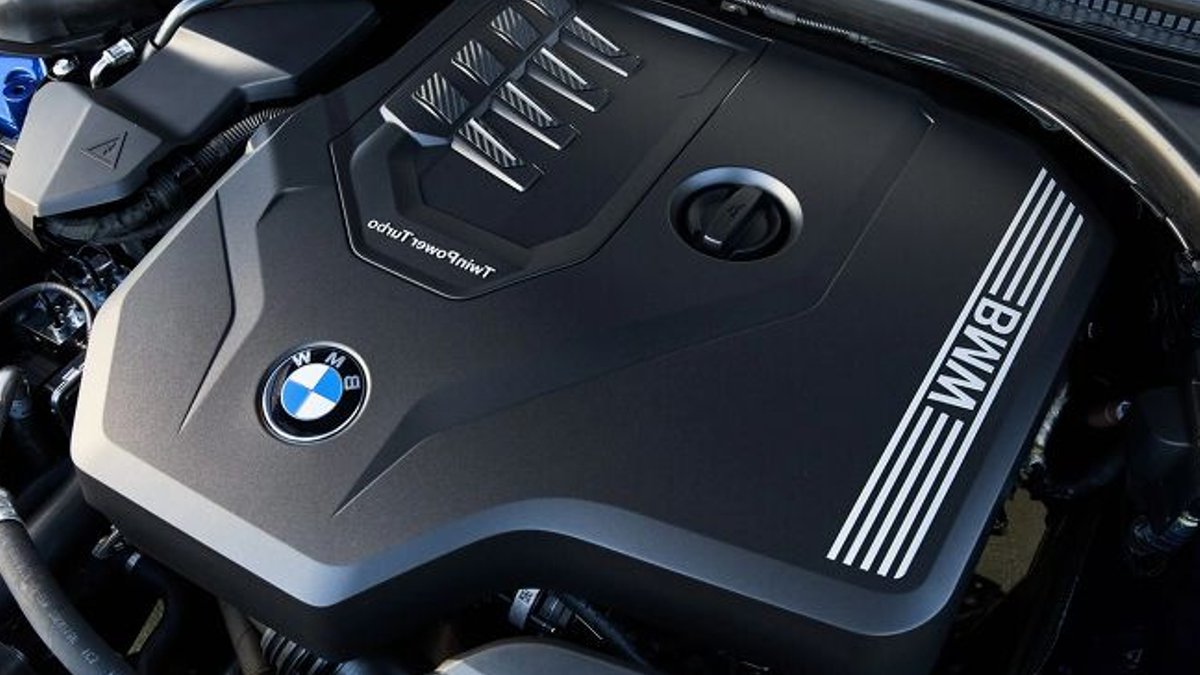
The centerpiece of the prospective agreement is BMW’s B48 engine, a turbocharged unit that currently powers a wide swath of BMW and Mini models. Its design allows it to be mounted in both longitudinal and transverse orientations, giving Mercedes considerable flexibility when integrating the engine across various chassis configurations. This adaptability makes it a viable candidate for a spectrum of upcoming Mercedes vehicles, from the compact CLA and GLA to larger offerings such as the C‑Class and GLC, as well as the anticipated “Little G” model that aims to broaden the brand’s entry‑level lineup.
Production of the B48 takes place at BMW’s facility in Steyr, Austria, a site known for high‑precision manufacturing and a proven track record of delivering reliable powertrains. Leveraging this existing supply chain would enable Mercedes to bypass the lengthy ramp‑up periods typically required for new engine programs, thereby accelerating the rollout of plug‑in hybrid variants and other electrified configurations that its current power unit cannot support.
At present, Mercedes relies on a 1.5‑liter M252 engine produced in China through a joint venture involving Geely and Renault. While that engine performs adequately in mild‑hybrid setups, it lacks the robustness needed for more demanding plug‑in hybrid systems or as a range‑extender for electric models. The BMW engine’s higher output and broader torque band are seen as a means to fill these performance gaps, offering the brand a more versatile foundation for future powertrain strategies.
Related: Used Toyota Hybrids Outprice New Models Amid Shortage
Beyond the engine itself, discussions have reportedly touched on the possibility of joint production facilities beyond the European continent, with particular attention to the United States market. Establishing shared manufacturing sites in regions with rising tariff barriers could mitigate cost pressures for both manufacturers, ensuring that the final assemblies remain competitively priced while adhering to local content requirements.
Another dimension of the collaboration under consideration involves the integration of gearboxes. By aligning transmission technologies alongside the engine supply, the two automakers could achieve deeper synergies, simplifying vehicle architecture and potentially reducing the overall weight of powertrain assemblies. Such harmonisation would further support Mercedes’ ambition to broaden its hybrid offerings without compromising on driving trends.
Should the partnership be confirmed, it would represent the first instance of Germany’s two premier luxury marques exchanging core engine technology. This historic convergence shows how stringent emissions standards and the financial demands of electrification are reshaping traditional competitive boundaries, supporting alliances that were once deemed unlikely.
Stay informed about this evolving story and other developments in the automotive sector by subscribing to AutoGuide’s newsletter. Get the latest updates directly in your inbox here.


